Gift Guides
Meaningful Baby Keepsakes That Grow With Your Child
Compare baby keepsakes by story value, care, displayability, and storage needs using practical preservation guidance.
Published July 18, 2026
Map Our Stars Editorial Team
The guide in a minute
Generated from this published guide. Read the full article for examples, context, caveats, and source notes.
This guide compares baby keepsakes by story value, care needs, displayability, and long-term storage. It favors a selective system that preserves distinct parts of childhood without requiring a family to save everything.
- Give each keepsake a clear role, such as recording a voice, preserving context, or marking a particular milestone.
- Plan safe materials, honest labels, backups, and future storage or display before adding an item to the collection.
On this pageA Framework for Choosing Lifetime Baby Gifts
Quick answer: Choose a small number of baby keepsakes by comparing story value, material care, displayability, and storage needs. Memory letters, selected photographs, and personalized wall art each preserve different parts of the child’s early story without requiring you to save everything.
When a new baby arrives, many objects can feel worth saving—from a hospital bracelet to the first pair of shoes. Over time, an unplanned collection can become difficult to store, identify, and care for.
A more manageable approach is to select items deliberately and record why each one matters. You cannot predict what an adult child will want to keep, but clear stories and sensible care make the collection easier to understand and use.
A Framework for Choosing Lifetime Baby Gifts
When deciding what to keep or what to give as a newborn keepsake, evaluate the item against these five criteria:
- Durability: Will the materials survive decades of storage or display?
- Story Value: Does the item capture a specific memory, emotion, or detail about the child's early days?
- Displayability: Is it something that can be enjoyed in daily life, or must it be hidden away?
- Storage Burden: Does it require significant physical space or specialized climate control?
- Future Relevance: Will the child appreciate this item as an adult, or is it only meaningful to the parents?
This framework helps you compare emotional meaning with practical care requirements before adding an item to the collection.
Comparing Newborn Keepsakes
There is no single best keepsake; the right choice depends on your family, available space, and willingness to maintain it. Compare each option using questions rather than assumed scores.
| Keepsake type | Story captured | Care or storage question |
|---|---|---|
| Memory letters | A parent’s voice at a point in time | Is the paper stored in an appropriate enclosure? |
| Photo archive | Selected people, places, and changes | Are files backed up and physical prints identified? |
| Baby book | Milestones and first-year details | Will someone update it consistently? |
| Jewelry | A compact symbol or inscription | Does the material need specialist care? |
| Time capsule | A group of objects from one period | Where will it stay in a stable environment? |
| Celestial art | Date, time, place, and dedication | Is the design suitable for the intended room? |
Memory Letters
Letters can record a parent’s voice, observations, and hopes at specific points in the child’s life. The U.S. National Archives advises focusing on damage prevention when preserving family papers [1]. Use stable writing materials and appropriate paper enclosures, and label the date and context clearly.
Curated Photo Archives
While we take thousands of digital photos, a curated physical archive offers a tangible connection to the past. The Smithsonian Institution Archives advises against saving every duplicate and recommends moving photographs out of acidic containers [2]. Create a small, high-quality album of the most significant moments, and ensure your digital backups are organized and migrated to new storage formats as technology evolves.
Traditional Baby Books
Baby books can organize first-year details such as first steps, first words, and growth notes. Before choosing one, consider its size, paper quality, and whether someone is realistically willing to update it. A partly completed book can still be useful when its entries are dated and specific.
Fine Jewelry
A locket or engraved bracelet stores a name, date, or symbol in a compact form. Durability and care vary by metal, construction, and wear, so review the maker’s material and maintenance guidance rather than assuming every piece is heirloom-safe.
Time Capsules
A time capsule can group letters and selected objects from the child’s birth year for a future opening date. It requires more space and material planning than a letter or photograph. Follow the Smithsonian’s guidance to avoid uncontrolled basements and attics, where temperature and humidity changes can damage family materials [2].
Celestial Art
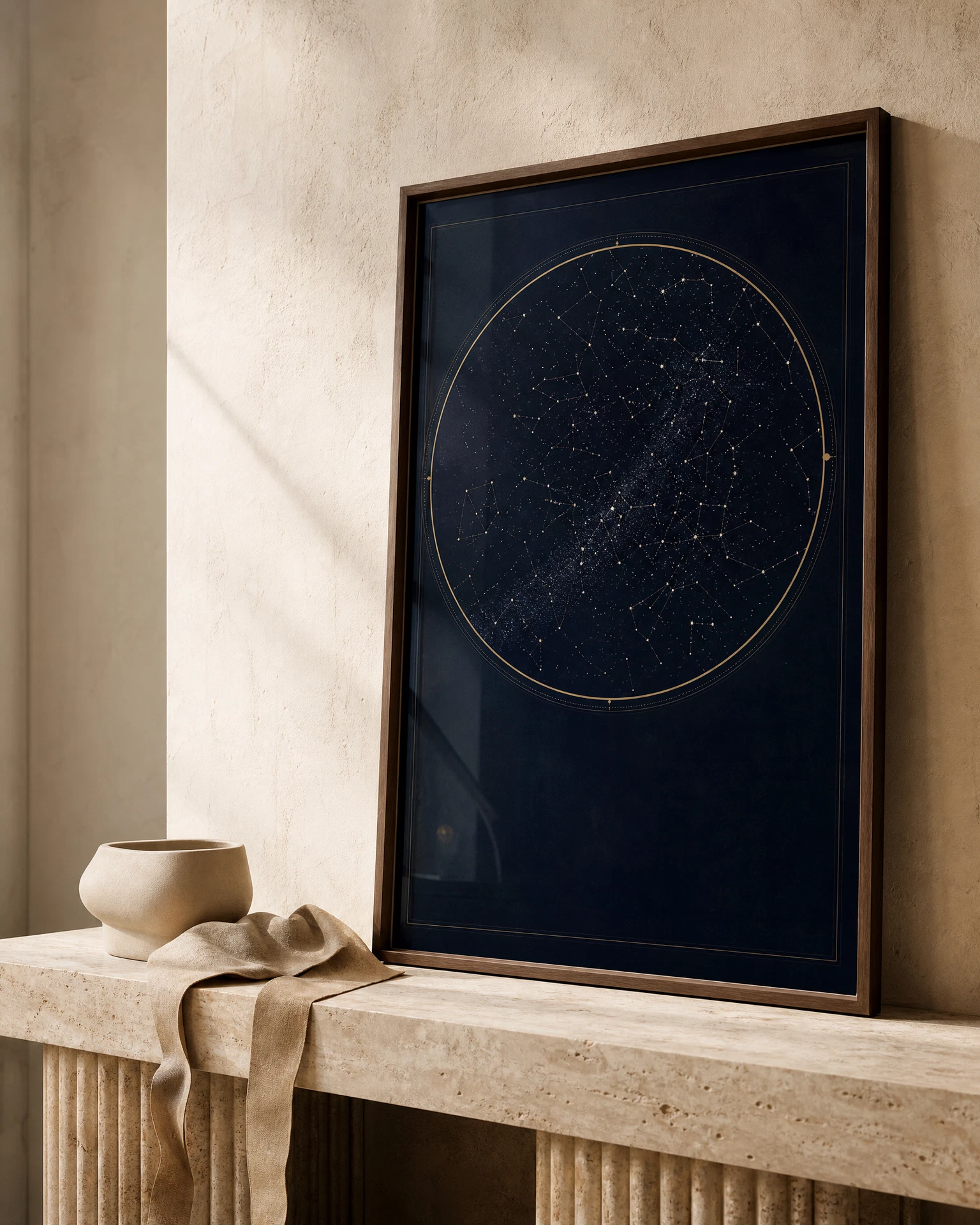
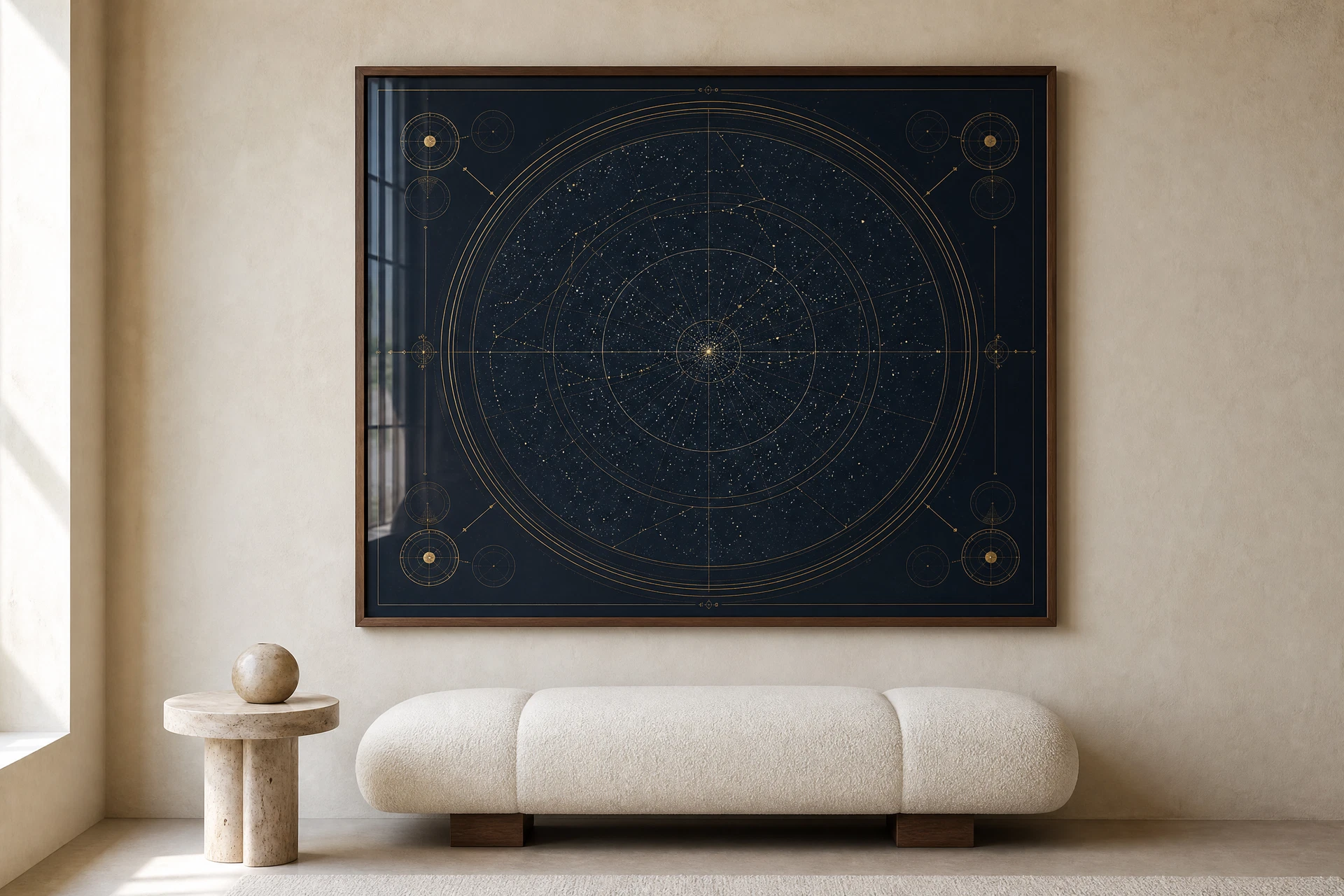
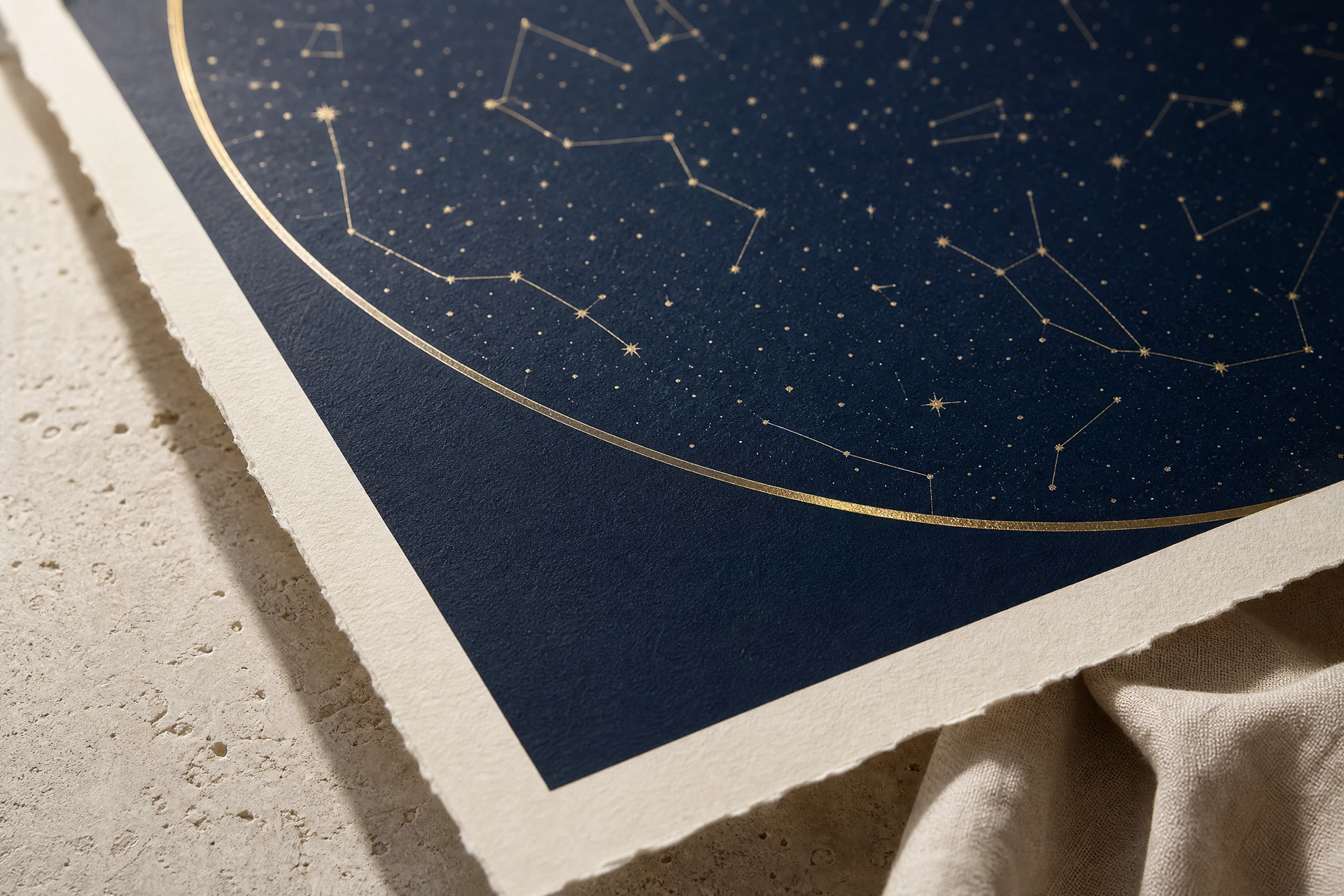
A custom birth star map can combine the child’s name, birth date, time, place, and a short dedication in one piece of wall art. Whether it remains on display later depends on the design, room, and the child’s preferences.
When creating a celestial print, you can include the child’s name, birth date, time, location, and a short message. For guidance on gathering those details, see our post on date, time, and place for a personalized star map. Astronomy-oriented charts use date, time, and location to render a sky view [3]. The Map Our Stars customizer instead creates a seeded artistic composition, not an independently astronomy-verified reconstruction or a scientific document.
How to Preserve Your Chosen Keepsakes
Once you have selected your meaningful baby gifts, proper preservation is essential. Both the National Archives and the Smithsonian Institution offer clear guidance for protecting family history:
- Control the Environment: Avoid storing keepsakes in attics, basements, or garages where temperature and humidity fluctuate wildly [2].
- Use Archival Materials: Store paper and textiles in acid-free, lignin-free boxes and folders [1].
- Handle with Care: Wash your hands before handling delicate items, and consider digitizing photographs and documents to reduce the need to handle the originals [2].
- Limit Light Exposure: Follow collection-specific guidance and avoid prolonged direct sunlight for light-sensitive papers and photographs [1].
Creating a Meaningful Collection
You do not need to choose just one type of keepsake. A well-rounded collection might include a beautifully framed baby birth star map for the nursery wall, a small archival box of memory letters, and a carefully curated photo album.
Focusing on clear stories, manageable storage, and appropriate care gives the collection a better chance of remaining understandable and usable over time.
Ready to create a beautiful, displayable keepsake? Explore our customizer to design a personalized celestial print, or read our guide on what to write on a personalized star map for inspiration.
References
[1] U.S. National Archives. "How to Preserve Family Archives." https://www.archives.gov/preservation/family-archives
[2] Smithsonian Institution Archives. "Quick Tips for Preserving Your Family’s Past." https://siarchives.si.edu/blog/quick-tips-preserving-your-family%E2%80%99s-past
[3] Sky & Telescope. "Interactive Sky Chart." https://skyandtelescope.org/interactive-sky-chart/